
Masonry & Tuckpointing
Masonry & Tuckpointing Restoration for North Shore Homes
Expert brick, stone, and mortar restoration for chimneys, walls, steps, and retaining structures. We preserve the architectural character of your home.
Why Tuckpointing Matters. and What We Do Differently
Tuckpointing is the process of removing deteriorated mortar from the joints between bricks or stones and replacing it with fresh mortar. It sounds simple, but done properly it is a skilled craft. and done incorrectly, it can cause more damage than leaving the old mortar in place. The mortar joints in a masonry structure are deliberately designed to be the weakest element: they sacrifice themselves to accommodate movement and moisture, protecting the bricks or stones themselves from cracking. When mortar degrades, it must be replaced. but with the right type of mortar, matched in strength and composition to the existing masonry.
25+ Years
Replacing and repairing roofs across the North Shore since 2004
North Shore Chicago homes present a particular masonry challenge because so many of them were built in the first half of the 20th century using soft, historic brick and lime-based mortar. Using modern Portland cement mortar on these structures is a common and costly mistake. Portland cement is too hard and rigid, it cannot accommodate the natural movement of the masonry, and it causes the bricks themselves to crack rather than the mortar joints. The result is irreversible damage to historic brick that can be extremely expensive to match and replace. IToch Roofing has the expertise to specify and mix the correct mortar for your specific masonry. whether that is a historic lime mortar match or a modern Type S mortar for newer construction.
Chimneys are among the most common masonry tuckpointing projects we undertake. A chimney is exposed to the elements from every direction. sun, rain, wind, freeze-thaw cycles. and the mortar joints at the top and along the sides typically deteriorate faster than any other masonry on the home. Cracked or missing mortar allows water to enter the chimney, saturate the masonry, and freeze during winter. each freeze cycle expands the crack further. Left unaddressed, chimney deterioration progresses from a cosmetic issue to a structural one, potentially requiring a partial or full chimney rebuild. Regular tuckpointing every 10–20 years depending on exposure prevents this progression.
We also restore brick and stone walls, both structural and decorative. garden walls, retaining walls, pillars, exterior wall faces, and stoops. Retaining walls are particularly important to address promptly because water infiltration behind a failing retaining wall accelerates deterioration and can eventually cause structural failure. We assess the drainage situation as part of any retaining wall restoration to address the source of moisture, not just the surface symptoms.
Signs that your masonry needs attention include mortar joints that are cracked, crumbling, or visibly recessed below the brick face; efflorescence (white mineral deposits) on the brick surface indicating water movement through the masonry; brick faces that are spalling or flaking; and stair-step cracking patterns in brick walls that indicate differential movement. If you notice any of these on your North Shore home, call us for a free assessment. Early intervention is almost always less expensive than waiting.
Our Tuckpointing & Masonry Process
Assessment & Mortar Analysis
We inspect the masonry in detail, assess the depth and pattern of mortar deterioration, and evaluate the brick or stone condition. We identify the correct mortar type and composition to match your existing masonry.
Mortar Removal
Deteriorated mortar is removed to a minimum depth of 3/4 inch using hand tools or a grinder, taking care not to damage the brick faces or edges. Proper removal depth is critical. a shallow application will not bond correctly.
Joint Preparation & Cleaning
Joints are cleaned of dust and debris, and lightly dampened to prevent the fresh mortar from drying too quickly (which weakens the bond). Surface preparation is as important as the mortar itself.
Mortar Application & Tooling
Fresh mortar is packed into the joints in layers, tooled to match the profile of the original joints, and finished to a uniform appearance. We take care to avoid smearing mortar on the brick faces.
Curing & Final Inspection
Fresh mortar requires several days of curing. We protect the work from rain and extreme temperatures during curing, then perform a final inspection to make sure uniform joint depth, color match, and complete coverage.
Why Choose IToch Roofing for Masonry Work
- ✓Correct Mortar Specification: We match mortar composition to your specific masonry. a critical detail that most contractors get wrong, especially on historic North Shore brick homes.
- ✓25 Years of North Shore Experience: We know the masonry traditions and materials common in the North Shore area and have restored chimneys, walls, and structures on hundreds of local homes.
- ✓Structural & Cosmetic Expertise: We address both the structural integrity of masonry and its appearance. We preserve the architectural character of your home, not just patch it.
- ✓Root Cause Approach: We assess drainage, flashing, and water management as part of masonry evaluations. Fixing mortar without addressing the water source means the problem returns.
- ✓Licensed & Insured: All masonry work is performed by experienced IToch employees under our full general liability and workers compensation insurance coverage. License #104.016869.
Frequently Asked Questions
How often does masonry need tuckpointing?
Mortar joints on a well-maintained chimney or brick wall typically last 20–30 years before needing tuckpointing, though highly exposed areas (chimney crowns, tops of chimneys) may need attention sooner. Annual visual inspections help catch deterioration early before it becomes a structural problem.
Can tuckpointing be done in winter?
Tuckpointing should not be done when temperatures are below 40°F, as mortar will not cure properly in cold conditions and is vulnerable to freeze damage before it sets. We typically schedule masonry work from April through October in the Chicago area.
How do I know if my chimney needs tuckpointing or a full rebuild?
Tuckpointing is appropriate when the bricks themselves are in good condition but the mortar joints are deteriorated. A rebuild is necessary when the bricks are crumbling, spalling badly, or when the structure has shifted significantly. We assess this honestly as part of your free estimate visit and tell you exactly what the situation requires.
What is efflorescence and does it mean my masonry needs work?
Efflorescence is the white powdery or crusty deposit that appears on brick and stone surfaces when water moves through the masonry and carries dissolved minerals to the surface. It is a sign of water infiltration. usually through deteriorated mortar joints, failed flashing, or poor drainage. Addressing the water entry point (often tuckpointing) typically resolves efflorescence.
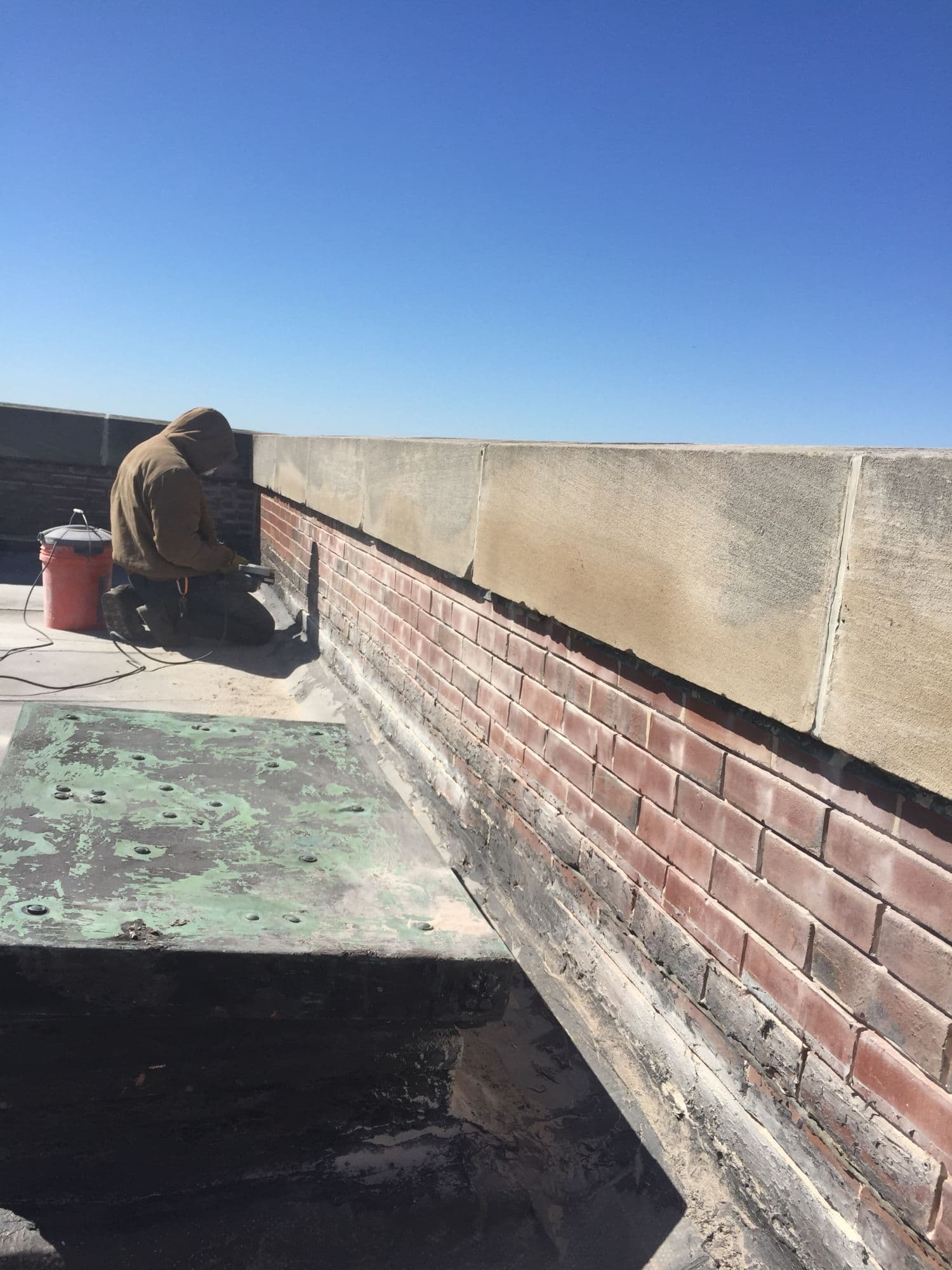
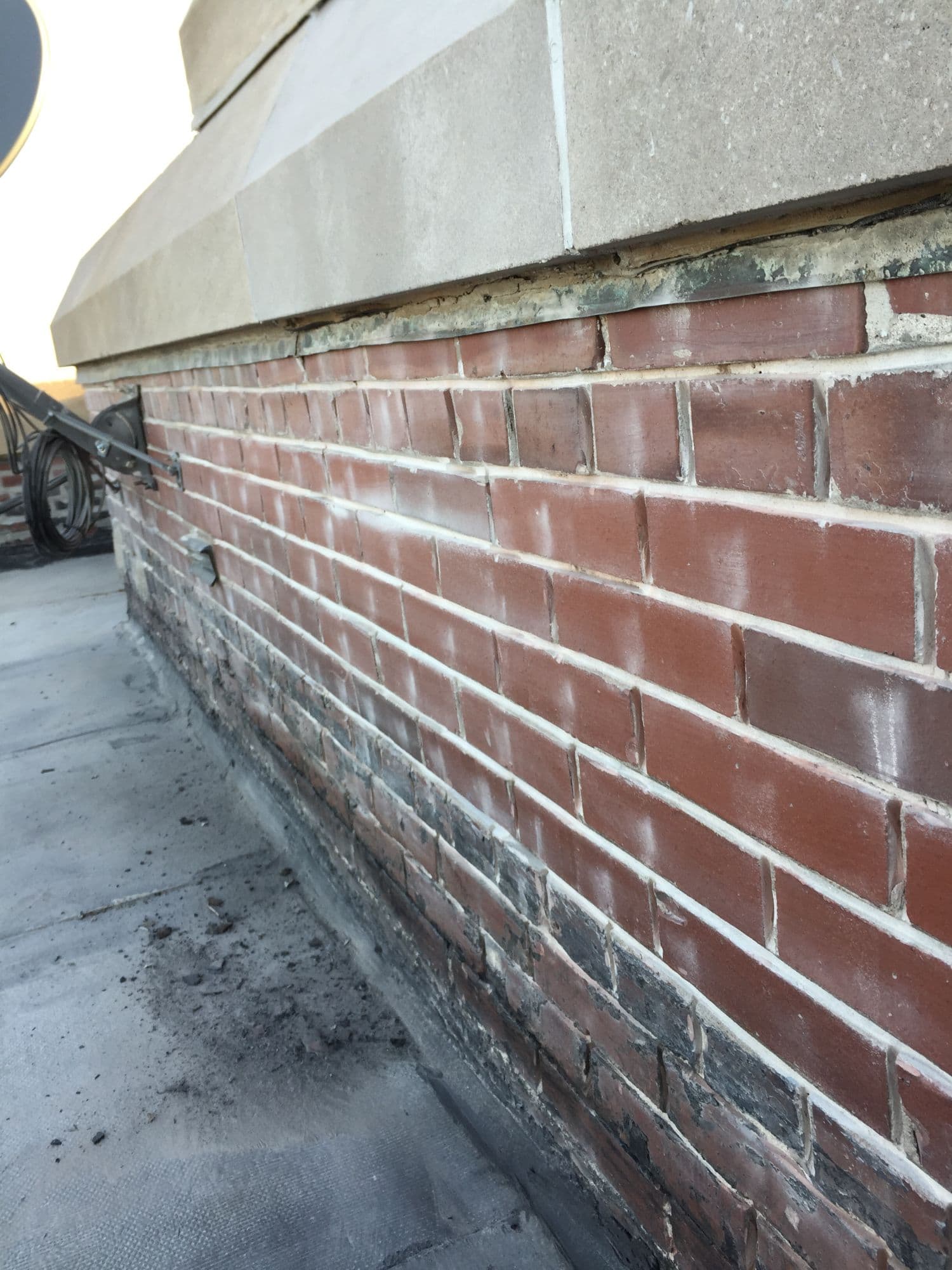
Recent Masonry & Tuckpointing Projects
Not Sure Where to Start? Give Us a Call.
We will take a look at your roof, give you an honest assessment, and tell you exactly what it needs. No pressure and no hidden fees. Estimates are always free.
Mon–Fri 7am–6pm · Sat 8am–2pm